
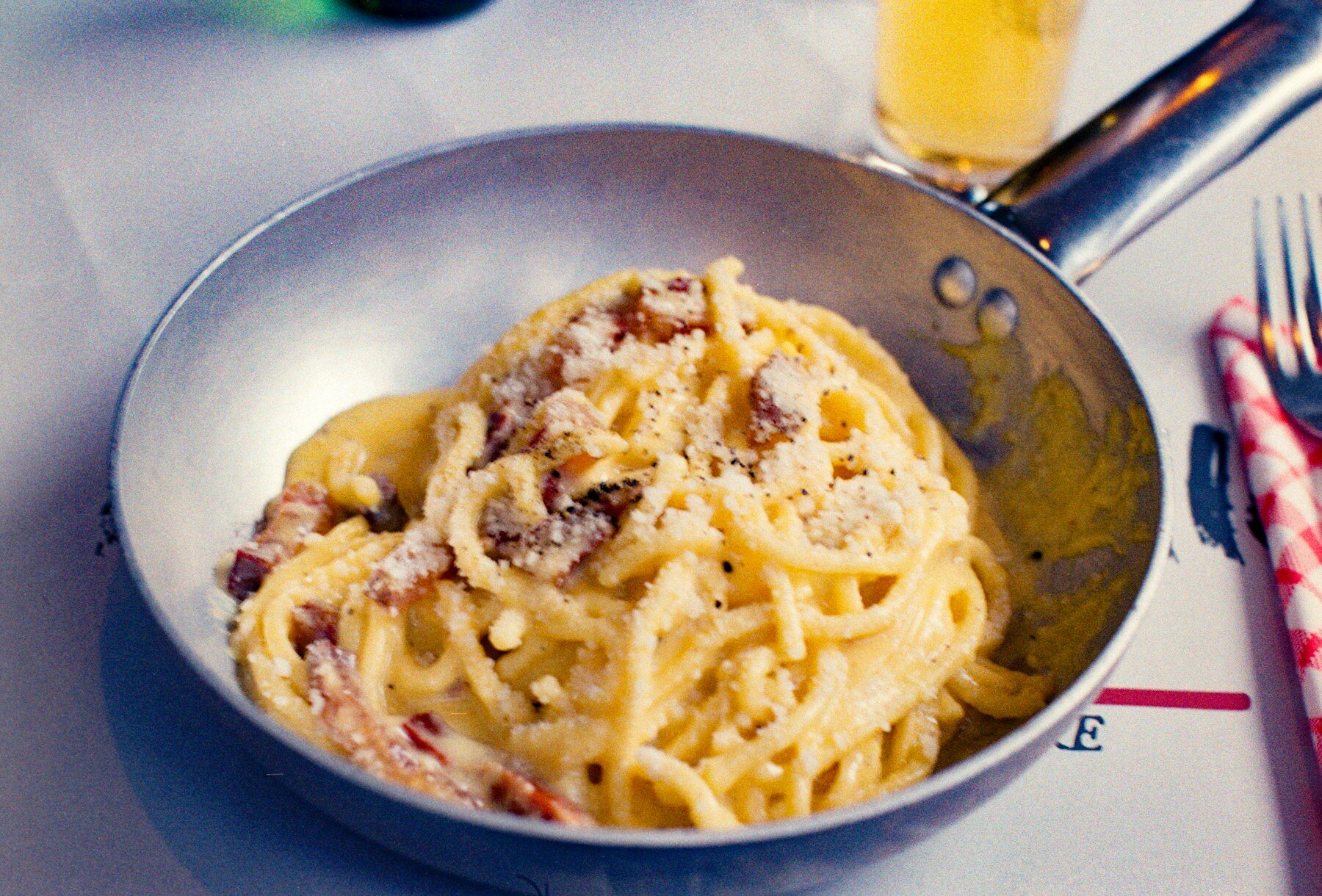
I admit this came as quite a shock. A small culinary earthquake, even. But whatever else one might say, the speaker was a woman old enough to be my mother. My favourite neighbour, Francesca. I assume she knows what she is talking about.
I love cooking, especially Italian food, and I had always believed there was no room for exceptions here.
Just as pineapple has no place on pizza, cream has no place in carbonara.
End of story. Full stop. Excommunication!
Well, I tried it. I added the cream. And I still prefer it without.
But the whole situation made me realise that Italian cooking, too, is surrounded by more myths than we imagine. Nothing is entirely black and white. Food and cooking are, after all, a pleasure — and above all, a question of taste. If someone enjoys it, why not?
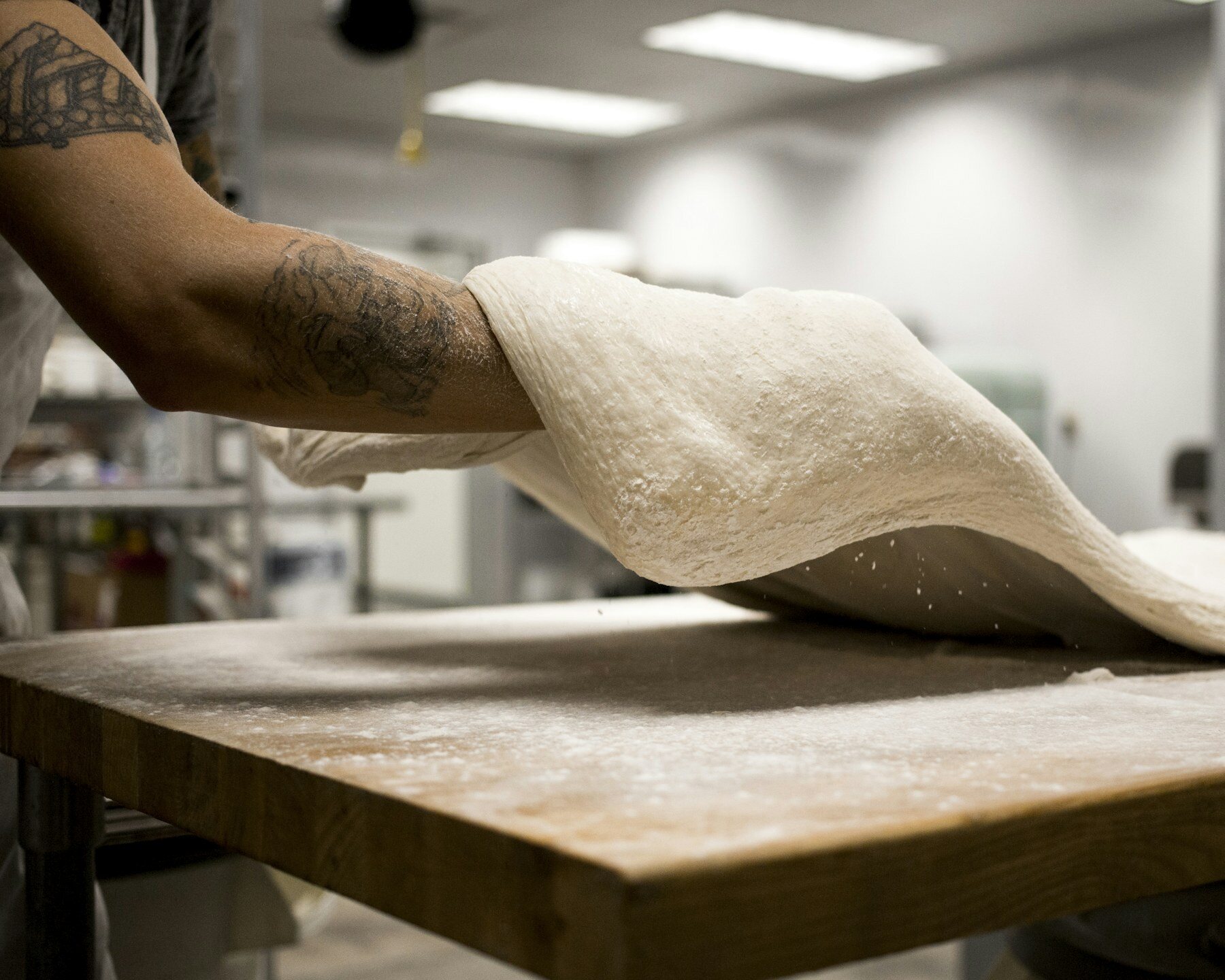
Nor is it entirely true that ordering pineapple on pizza leads to immediate deportation. I will go further: I see pineapple pizza on Italian menus more and more often! An Italian may not order it, but that does not mean a tourist will not happily pay for it.
Sorry, my friend — business is business.
Putting a few slices of pineapple on the dough can mean a few extra euros in the till. And an Italian restaurateur, besides being Italian, is still an entrepreneur.
Italians themselves are also becoming more open to experimenting with their cuisine. This is mostly the territory of younger generations, admittedly, but there are more and more pizzerias where you can eat every invention imaginable.
My children have a favourite pizzeria in Lecce. Apparently it is iconic, and apparently it ranks among the finest pizzerias in the world. They love it. I do not, particularly. Pizza with potatoes, beetroot and goodness knows what else is definitely not my thing. They think it is brilliant. And that too says something about the way even a society as culinarily conservative as Italy is opening up to new flavours and global trends.
I am very curious about what comes next. In twenty years, say.
Is it merely a passing fashion?
Will today’s twenty- and thirty-year-olds, who are creating these trends, still experiment in their forties and fifties? Or will they eventually return to the source, happily eating a good old diavola while complaining about the culinary ideas of their own children? Perhaps Italian cuisine is not a collection of sacred, immutable rules after all. Perhaps it is more like a language: living, changing, borrowing new words, and sometimes used in a way everyone else considers simply barbaric.
The only question is: where does culinary experimentation end and sacrilege begin?
Cream in carbonara? Pineapple on pizza?
Or perhaps the boundary lies exactly where we ourselves stop enjoying the taste?